
The Importance of Casing and Screening in Borehole Construction in Kenya
- December 8, 2024
- Posted by: info@boreholedrilling.ke
- Category: Equipment and Technology
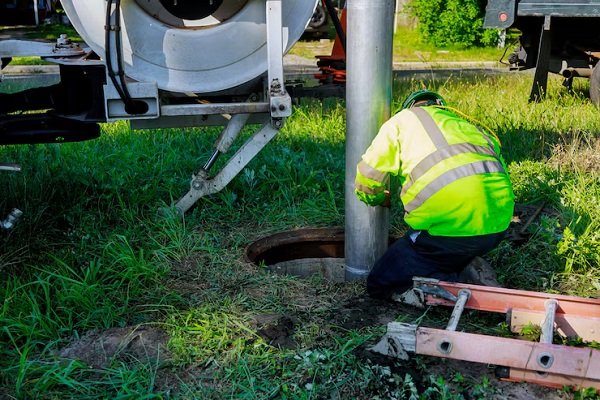
In Kenya, where access to clean water is a critical issue for many communities, proper borehole construction is essential for ensuring sustainable and safe water supply. Two crucial components of borehole construction are casing and screening. This guide will explore their importance in the Kenyan context, highlighting how they contribute to the longevity, efficiency, and water quality of boreholes.
Understanding Casing in Borehole Construction
What is Casing?
Casing is a pipe inserted into the drilled hole to maintain the borehole’s structural integrity. It prevents the collapse of surrounding soil and rock into the borehole.
Types of Casing Used in Kenya
- PVC Casing:
- Most common in Kenya due to its cost-effectiveness and resistance to corrosion
- Suitable for most groundwater conditions in the country
- Steel Casing:
- Used in deeper boreholes or where extra strength is required
- Common in areas with unstable formations or where high pressure is expected
- Stainless Steel Casing:
- Used in highly corrosive groundwater conditions
- Less common due to high cost but used in specific geological settings in Kenya
Importance of Casing in Kenya’s Borehole Construction
- Prevents Collapse: Many areas in Kenya have unstable soil formations, especially in sedimentary basins. Casing prevents these formations from collapsing into the borehole.
- Protects Water Quality: Proper casing prevents contamination from surface water and shallow aquifers, crucial in areas with high pollution risks.
- Extends Borehole Life: By maintaining the structural integrity of the borehole, casing significantly extends its operational life.
- Facilitates Pump Installation: Casing provides a smooth inner surface for easy installation and operation of submersible pumps.
The Role of Screening in Kenyan Boreholes
What is Screening?
Screening refers to the perforated section of the casing that allows water to enter the borehole from the aquifer while keeping out sand and gravel.
Types of Screens Used in Kenya
- Slotted PVC Screens:
- Most common due to cost-effectiveness
- Suitable for many aquifer types found in Kenya
- Wire-Wound Screens:
- Provide better flow characteristics
- Used in high-yielding boreholes, common in Kenya’s sedimentary basins
- Bridge Slotted Screens:
- Offer a balance between cost and efficiency
- Increasingly used in Kenya for their durability
Importance of Proper Screening in Kenya
- Optimizes Water Yield: Proper screening maximizes the flow of water into the borehole, crucial in areas with limited groundwater resources.
- Prevents Sand Pumping: Many aquifers in Kenya, especially in coastal and rift valley regions, contain fine sand. Proper screening prevents this sand from entering the borehole.
- Increases Borehole Efficiency: By allowing free flow of water while keeping out sediment, screening maintains the borehole’s efficiency over time.
- Protects Pumping Equipment: By preventing sand and gravel entry, screening protects submersible pumps from damage, a significant cost-saving factor in rural Kenyan settings.
Challenges and Considerations in Kenya
- Varying Geological Conditions: Kenya’s diverse geology requires careful selection of casing and screening materials.
- Water Quality Issues: In areas with high mineral content (e.g., fluoride in the Rift Valley), special considerations for casing and screening materials are necessary.
- Depth Variations: Boreholes in Kenya can range from shallow (30m) to very deep (300m+), affecting casing and screening choices.
- Cost Constraints: Balancing quality with affordability is crucial, especially in rural water projects.
Best Practices for Casing and Screening in Kenya
- Proper Geological Assessment: Conduct thorough surveys to understand the local geology and water quality before selecting materials.
- Quality Materials: Use high-quality, certified materials that meet Kenyan standards.
- Proper Installation: Ensure correct installation techniques, including proper centralization of casing and screens.
- Regular Maintenance: Implement routine inspection and maintenance programs to ensure long-term functionality.
- Community Involvement: Educate local communities on the importance of proper borehole construction and maintenance.
Conclusion
The importance of proper casing and screening in borehole construction in Kenya cannot be overstated. These components are crucial for ensuring long-lasting, efficient, and safe water supply systems across the country. As Kenya continues to develop its water resources, adhering to best practices in casing and screening will play a vital role in achieving sustainable access to clean water for all communities.