
Geophysical Surveys: The First Step in Successful Borehole Drilling in Kenya
- December 8, 2024
- Posted by: info@boreholedrilling.ke
- Category: Environmental Impact
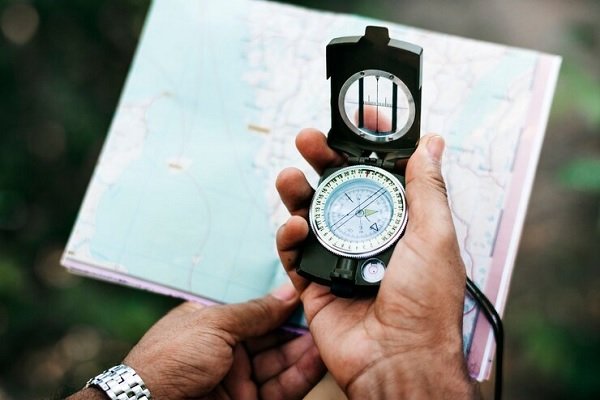
In Kenya, where water scarcity is a pressing issue in many regions, borehole drilling has become an essential solution for accessing groundwater resources. However, the success of a borehole project heavily depends on the initial step: geophysical surveys. These surveys play a crucial role in identifying the most suitable locations for drilling, increasing the chances of finding sustainable water sources, and optimizing the overall efficiency of the drilling process.
The Importance of Geophysical Surveys in Kenya
Geophysical surveys are prescribed for underground surveying and borehole siting in Kenya. They provide valuable insights into the subsurface conditions, helping to:
- Identify potential water-bearing zones (aquifers)
- Determine the depth and thickness of these aquifers
- Assess the quality of groundwater
- Understand the geological structures and formations
By conducting thorough geophysical surveys, drilling companies can significantly improve their success rates and avoid the costly mistakes of dry or low-yielding boreholes.
Current Practices and Challenges
Despite the importance of geophysical surveys, there are several challenges in their application in Kenya:
- Lack of Knowledge: There is a general lack of understanding regarding the applicability of different geophysical methods.
- Misinterpretation of Results: Survey results are often misinterpreted, leading to poor decision-making in borehole siting.
- Limited Depth Resolution: Current methods often have low resolution beyond depths of 50 to 70 meters, limiting the characterization of deeper groundwater reservoirs.
- Urban Challenges: Geophysical exploration in city centers is complicated due to background noise and shielding effects from electrical wiring, pipes, and infrastructure.
These challenges have led to low drilling success rates and, in some cases, overexploitation of known aquifers, particularly near urban and urbanizing areas.
Advanced Geophysical Survey Methods
To address these challenges and improve borehole drilling success rates, several advanced geophysical methods are being employed and refined in Kenya:
- Electrical Resistivity Tomography (ERT): This method provides high-resolution images of the subsurface, helping to identify water-bearing zones with greater accuracy.
- Ground Penetrating Radar (GPR): GPR is useful for shallow investigations and can provide detailed images of subsurface structures.
- Electromagnetic (EM) Surveys: These surveys are effective in mapping variations in subsurface conductivity, which can indicate the presence of water-bearing formations.
- Seismic Refraction and Reflection: These methods help in understanding the deeper geological structures and can be particularly useful in complex geological settings.
- Magnetic Surveys: While not directly indicative of water presence, magnetic surveys can help in understanding the underlying geological structures that influence groundwater flow.
The ISGEAG Project: Improving Sustainable Groundwater Exploration
The Improving Sustainable Groundwater Exploration (ISGEAG) project in Kenya aims to address the challenges in geophysical surveying and improve borehole siting practices. Key aspects of this project include:
- Improving the use, interpretation, and application of traditional geophysical surveys
- Introducing and validating new geophysical methods for groundwater exploration
- Establishing minimum reporting standards for geophysical and groundwater exploration consultants
- Strengthening understanding of regional aquifers, recharge processes, and exploitation status
- Improving knowledge-sharing among Kenyan partners in geophysics and groundwater exploration
Best Practices for Geophysical Surveys in Kenya
To ensure the effectiveness of geophysical surveys for borehole drilling in Kenya, the following best practices should be adopted:
- Integrated Approach: Combine multiple geophysical methods to get a comprehensive understanding of the subsurface.
- Proper Training: Invest in training programs for geophysicists and hydrogeologists to improve their skills in data collection, interpretation, and application.
- Quality Control: Implement strict quality control measures in data collection and interpretation to ensure reliable results.
- Standardized Reporting: Adopt standardized reporting formats to ensure consistency and facilitate better decision-making.
- Continuous Monitoring: Implement ongoing monitoring programs to track changes in groundwater levels and quality over time.
- Collaboration: Foster collaboration between academic institutions, government agencies, and private sector companies to share knowledge and resources.
Conclusion
Geophysical surveys are the cornerstone of successful borehole drilling projects in Kenya. By embracing advanced technologies, improving knowledge and skills, and adopting best practices, Kenya can significantly enhance its groundwater exploration and management efforts. This will lead to more sustainable water resources, improved access to clean water, and better support for the country’s growing population and economic development.
As the field of geophysics continues to evolve, it is crucial for stakeholders in Kenya’s water sector to stay informed about the latest technologies and methodologies. By doing so, they can ensure that geophysical surveys continue to play their vital role in guiding successful and sustainable borehole drilling projects across the country